Writing with a real purpose
A real reader gives spelling, vocabulary, sentences, grammar, and punctuation a reason to matter. Children can practice storytelling, express ideas, and ask thoughtful questions—not just finish another assignment.
Postlings brings back the excitement of having a pen pal, reimagined for today's children. Through meaningful letters and international friendships, kids can practice writing, discover new cultures, and learn about the world, one letter at a time.
Create a Free Account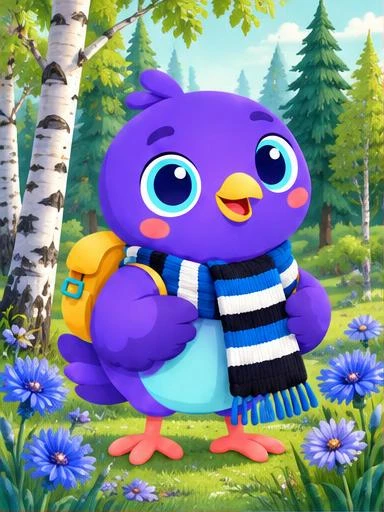 Estonia
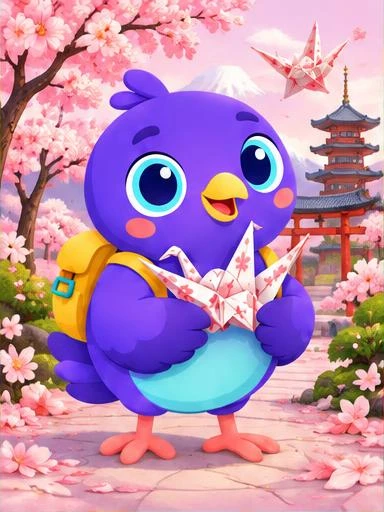 Japan
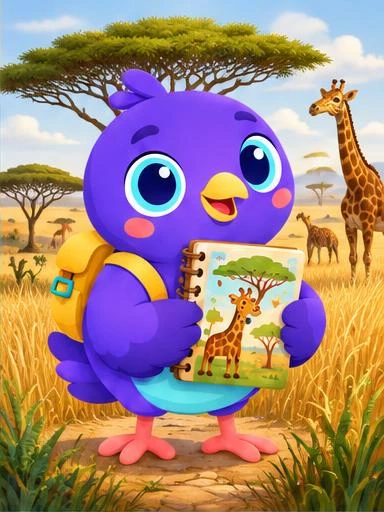 Kenya
From the first hello to the next reply
01
A parent or guardian creates a family account, confirms their email, and sets up a supervised child profile. Children never need their own email or login. Grown-ups manage permissions and correspondence.
Real identity verification and a separate parental-consent process are still being developed; test checkout uses a simulated adult acknowledgment.
02
Families browse minimal profiles by age, country, and shared interests. One family sends a request; the other family approves it. Two yeses come before any letters.
Language learning can inspire a match, but language filters and private family invitation codes are not available today.
03
A favorite game, a family tradition, a question about school: little everyday moments make wonderful letters. Choose stationery and express yourself in your own words.
The demo includes writing prompts, stickers, and drawings. Real family letters support stationery, with additional fonts, colors, and decorations on eligible plans.
04
In Family post, a grown-up reviews the text and selects Approve & send. Classroom letters are approved by the teacher. Both families can read their own children's correspondence.
Both-family approval applies to the connection. A separate receiving-family approval before each letter's delivery is not built yet. Contact-detail checks currently run in the browser.
05
Not a chat bubble. Not an instant notification. A letter takes simulated postal time based on the real distance between countries, and its arrival appears on the family timeline.
Delivery ranges from 12 hours to 10 days. No subscription can make a letter arrive faster.
06
Find your friend's country on the map. Discover words, food, traditions, school life, and places. Try a quiz or an offline family activity, or ask Pip a country question.
Free country guides stay available even when Pip is paused or today's questions have been used.
07
When a letter arrives, read it at your own pace. Think about your friend's experience, ask a thoughtful question, and send a reply. There is no pressure to answer right away.
Letters, friendships, and earned stamps are preserved if a family changes or cancels a plan.
Estonia to Japan: 4 days 22h
A simulated journey, calculated from distance. Plenty of time to discover something new.
A reason to pick up the pencil
Every child learns differently. Letter writing can offer these opportunities; Postlings does not promise particular educational or developmental results.
A real reader gives spelling, vocabulary, sentences, grammar, and punctuation a reason to matter. Children can practice storytelling, express ideas, and ask thoughtful questions—not just finish another assignment.
A letter invites children to read carefully, notice details about someone else's life, and respond to what their friend actually said.
Waiting gives anticipation a place in the experience. Children can look forward to an arrival without expecting an immediate response.
School lunches, family celebrations, languages, and favorite games make another country more than a name on a map. Every family's experience is different.
Correspondence offers a chance to listen, consider another perspective, and choose kind words when sharing your own.
A friend's country gives maps, distances, time zones, and cultural discoveries personal meaning—and a reason to keep asking questions.
Choosing what to share and shaping a letter can give children space to express themselves independently, with a grown-up nearby when needed.
Curiosity has a friendly guide
What is a school day like on the other side of the world? Pip helps children explore their pen pal's country and think of questions for their next letter.
Pip is an AI educational assistant, not a real person. Answers are designed for young readers, but AI can make mistakes. Check important information with a trusted adult. Grown-ups control access; questions use each profile's allowance.
A memory book, not a scoreboard
The digital Passport remembers friendships and discoveries. Country-themed Pip stamps celebrate exploration and correspondence—not how long a child stays online.
 PostlingsJapan
 Journey
 ★ 25 ★
Seasonal and special-event stamps add little moments to remember. There are no follower counts, popularity rankings, likes, or competitive feeds.
Explore the digital PassportGrown-ups stay involved
Families can read correspondence and block a connection. Direct reporting to a safeguarding contact, real adult identity verification, and receiving-family pre-delivery approval are still being developed. Current contact-detail checks are browser-based, not a complete screening system.
Postlings is a supervised pilot, not a finished public service. Our safety page clearly separates protections in place from work in progress.
Learn How We Protect KidsAt home, on the road, and in class
Help children find connections, read letters together, and follow their curiosity. Multiple supervised profiles keep each child's letters and allowance in their own space.
For parentsLet a letter spark a map activity, language practice, creative writing, a recipe, or a family cultural study. Learning can travel with you.
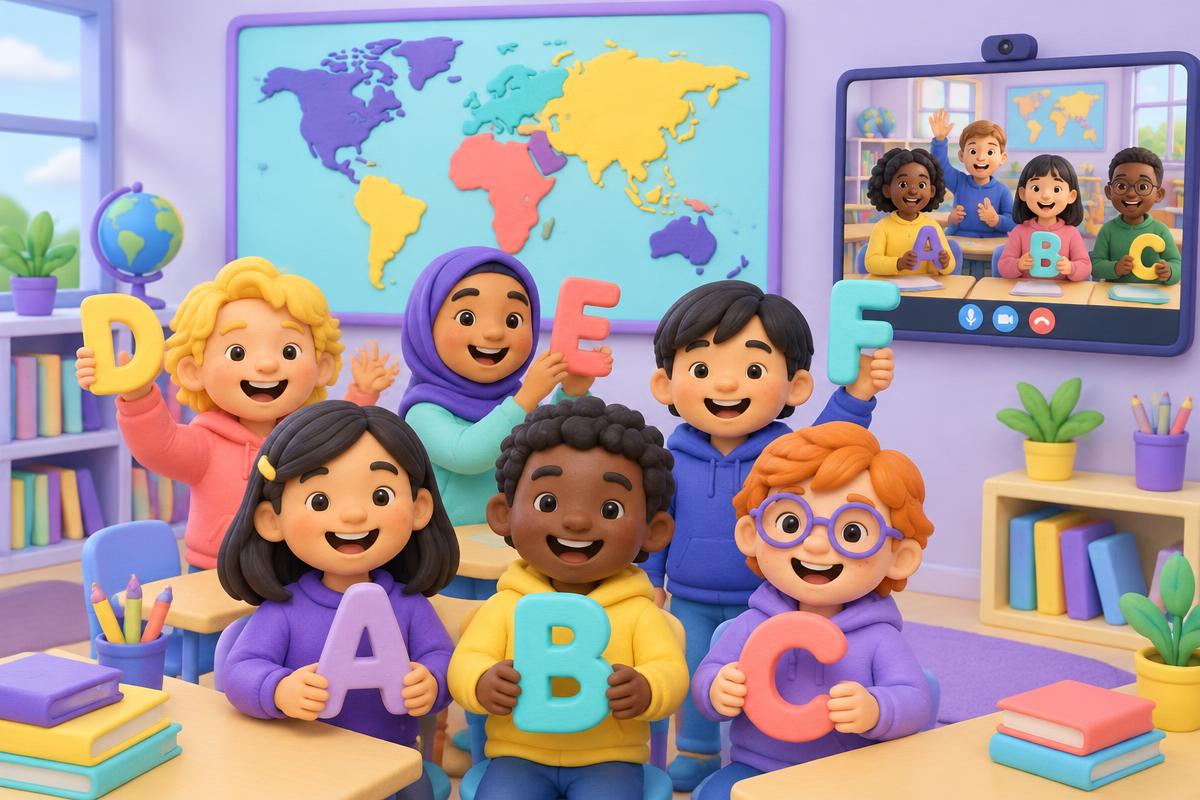
Learn togetherTeachers organize supervised exchanges in a separate space. Imagine an Estonian class writing to a Japanese class about school lunches, daily routines, and favorite activities.
Explore classroomsBefore the first hello
Give your child a reason to write, a world to discover, and a friendship worth waiting for.